WHY THE AMALFI COAST IS A UNESCO WORLD HERITAGE SITE
The Amalfi Coast was designated a UNESCO World Heritage Site in 1997. But why? What factors made this area so unique and special that it was added to the UNESCO list? Read the article and find out with us!
by R. Cascone
The Amalfi Coast is a stretch of the Tyrrhenian coastline that extends south of Naples, beyond the Sorrento Coast. Its physical features have meant that, over the centuries, people have had to adapt to the terrain, effectively creating a landscape that is unique in the world. In fact, UNESCO has designated the Amalfi Coast as a “Cultural Landscape.”
share this article
Positano seen from the sea
Cultural Landscape: what it means
The “Cultural Landscape” category was introduced by UNESCO in 1992; by adding it to this list, UNESCO recognizes the Amalfi Coast as an outstanding example of a Mediterranean landscape of exceptional natural and cultural value. In essence, two components—the natural and the historical—have combined to shape the Coast as we know it today, maintaining a balance among the various elements characteristic of the region (vegetation, water, and wildlife). Human intervention has shaped the landscape without destroying it, preserving its authenticity.
What does human intervention on the Amalfi Coast entail?
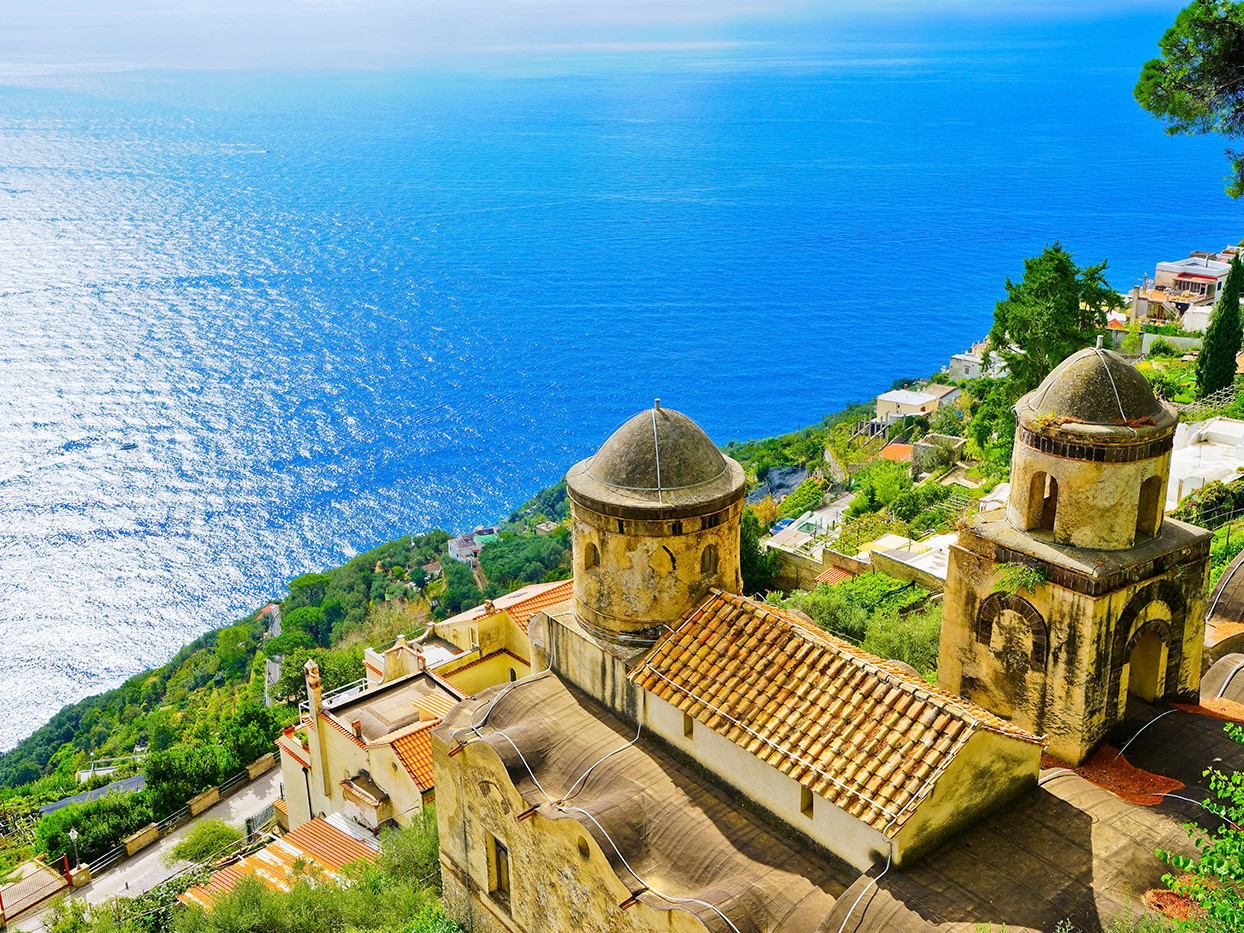
On the Amalfi Coast, people have managed to adapt to a challenging terrain: the mountains that drop steeply toward the sea have been put to use by creating terraces planted with lemon trees (one of the region’s most famous products!) and vineyards. Furthermore, the use of dry-stone walls has been essential for supporting the mountain slopes, and even the construction of the villages themselves has followed the contours of the coastline. A perfect example is Positano, a village perched entirely on the cliff and developed vertically. Here, vertical architecture does not dominate the landscape but rather follows it, respects it, and enhances it. Finally, vertical farming and construction systems are not only functional but also have an extraordinary aesthetic effect, showcasing in all its splendor the fusion of nature and human ingenuity: it is precisely this that led to UNESCO recognition.

The map of the Coast. Credits to patrimonionellascuola.it
A unique historical, natural, and cultural heritage
For centuries, the Amalfi Coast has been a major commercial hub for the entire Mediterranean, especially during the era of the Republic of Amalfi. Even today, traces of the passage of diverse peoples and cultures through the region are evident, such as the Arab and Byzantine influences in architecture (just think of Amalfi Cathedral itself!) or in the artisanal traditions still alive today, such as the production of the highly prized Amalfi paper .
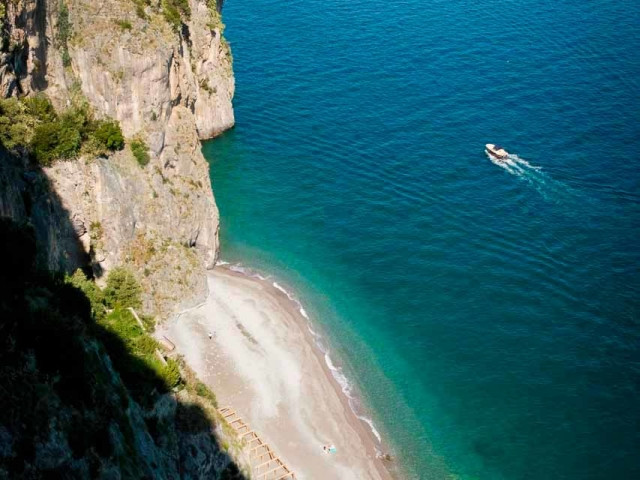
But the designation of outstanding universal value awarded by UNESCO also concerns the unique natural character of the Coast. The cliffs plunging into the sea, the crystal-clear waters, and the lush Mediterranean vegetation—characterized above all by citrus groves and vineyards—create landscapes recognizable anywhere: this constitutes a true visual identity, one of the fundamental criteria for obtaining UNESCO recognition.
Balances to preserve
Being included on the World Heritage List also entails many responsibilities. It means being aware of a region’s vulnerabilities and being able to protect and preserve it for future generations. Today, the Amalfi Coast faces various challenges, such as mass tourism, hydrogeological risks, and the struggle to keep ancient agricultural and cultural traditions alive. Protecting the Amalfi Coast means maintaining the balance between humanity and nature that has made it a place unique in the world, and for this reason, it deserves to be counted among the most precious heritage sites we have.

share this article
- The Amalfi Coast comprises 15 municipalities, each with its own unique characteristics, traditions, and customs. You can find them all in our webzine.
- If you’d like to learn more about the history of the Amalfi lemon, read this article.
- What are the must-see sites on the Coast that you should visit at least once in your life? You’ll find them all at this link.
fun facts
Travelmar Ferries
Discover the Amalfi Coast from the sea: more views, less traffic.
Daily Ferry Tours
Visit Amalfi, Positano and other destinations in just one day.

Reach your destination on comfortable buses with reserved seats.
latest articles
TRAVEL AMALFI COAST
privacy & cookies | p.iva 07294870634 | Travel Amalfi Coast by Tra.Vel.Mar SRL. All right reserved