THE "VAMPE" OF SAINT ANTHONY THE ABBOT IN JANUARY: TRADITION, FIRE AND COMMUNITY
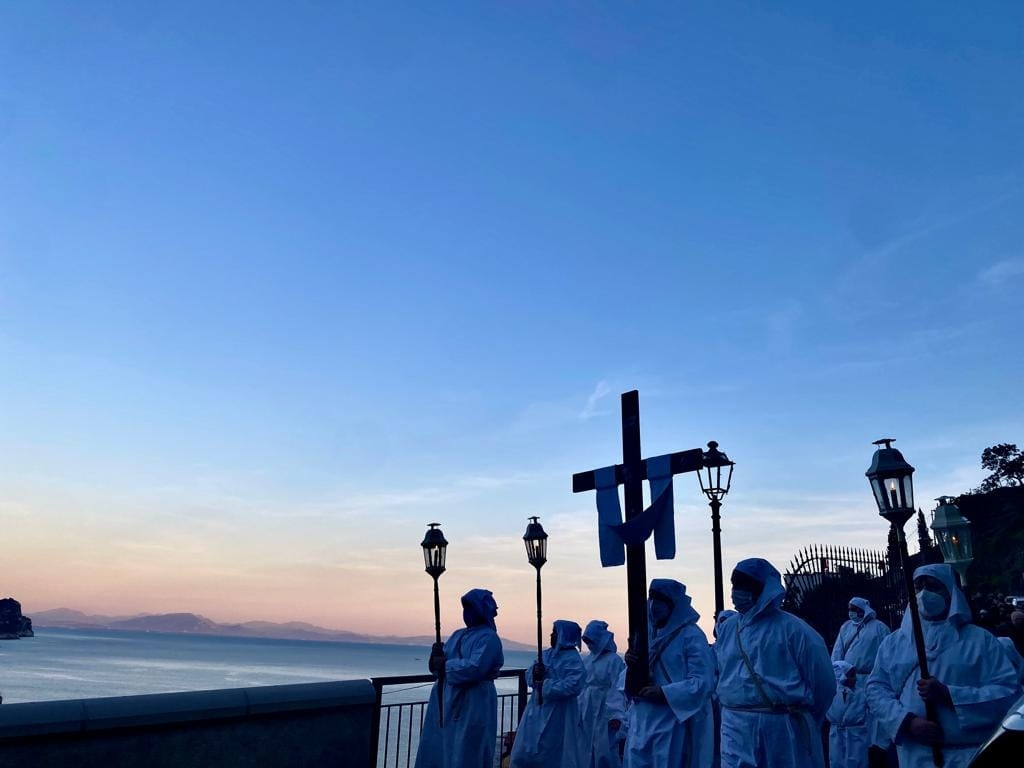
Every year on January 17, the Amalfi Coast literally lights up with fire and tradition: it is the day of Saint Anthony the Abbot, protector, among many things, of domestic animals and butchers. On that day, the villages along the coast celebrate the famous “vampe”: large ritual bonfires that light up the squares and warm the communities. Read the article to learn more about this ancient, evocative, and meaningful event.
by R. Cascone
Anthony the Abbot was an Egyptian monk who lived between the 3rd and 4th centuries. Considered the founder of Christian monasticism and the first abbot, he is commemorated in the Catholic Church's calendar of saints on January 17. The figure of Saint Anthony is linked to the countryside and agriculture, and in fact his feast day refers to ancient popular and agricultural rites. But that's not all! He is also the patron saint of domestic animals and is often depicted with a pig wearing a bell around its neck. For this reason, the practice of blessing animals and stables on Saint Anthony's Day was already widespread in the Middle Ages.
share this article
The origins of the "vampe"
The term “vampa” refers to a flame, a living fire. Since ancient times, fire has been a symbol of purification and good luck, and lighting bonfires was the farmers' way of wishing for a good harvest, driving away negativity, and welcoming the new year with positivity. Since the figure of Saint Anthony the Abbot is linked to agricultural rituals, on his feast day in many villages in southern Italy, large bonfires, also called “fucaroni” in dialect, are lit and celebrated with folk music, wine, and traditional food.
Symbols and ancient traditions
As I mentioned, fire traditionally represents purification and is believed to have auspicious properties, such as warding off evil and protecting the community. Over time, the lighting of the “vampe” has therefore become a collective ritual, an opportunity for the village to come together in front of the propitious fire. It is also a rite of passage from darkness to light, since the event takes place in mid-January, when the days begin to lengthen in anticipation of spring. To prepare for the day of celebration, the young people of the villages gather wood, traditional dishes are prepared in the kitchen, and in some cases symbolic objects, such as old calendars or dry branches, are thrown into the fire.

Events in 2026
Saint Anthony the Abbot is the patron saint of Agerola, one of the hilltop villages on the Amalfi Coast. Although his feast day falls on January 17, this year the town will celebrate him on the weekend of the 10th and 11th.
There are many events planned, including a polyphonic concert on Saturday, January 10, followed by the lighting of a bonfire with mulled wine and traditional sweets. On Sunday, January 11, the Saint will be celebrated not only in church but also with folk music. Read the poster to find out more or visit the event's Instagram page!
So, why take part in the “Vampe”? Well, because festivals and popular rituals allow you to get to know a people, their culture, and their traditions better. Experiencing the Amalfi Coast is also about this: getting to know the people who live there and their values, in order to have the most authentic travel experience possible. If you love popular traditions, you can't miss one of the most fascinating winter events on the coast!

share this article
- Agerola is one of the hilltop villages on the Amalfi Coast: read this article to find out which destinations are not to be missed once you are there.
- Are you passionate about local legends? Discover all the myths of the Amalfi Coast at this link!
useful links

Travelmar Ferries
Discover the Amalfi Coast from the sea: more views, less traffic.
Daily Ferry Tours
Visit Amalfi, Positano and other destinations in just one day.

Reach your destination on comfortable buses with reserved seats.
latest articles

TRAVEL AMALFI COAST
privacy & cookies | p.iva 07294870634 | Travel Amalfi Coast by Tra.Vel.Mar SRL. All right reserved